

Cruises
Wave hello to our handpicked cruise deals and packages
There are so many reasons to love cruising. Let's add irresistible savings and bonus value to the list!
Oh buoy, these deals are good
From stylish decor to unforgettable experiences - we have deals that are sure to make a splash!
Anchor down our most popular cruise deals


Destinations that are making a splash
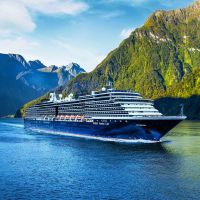
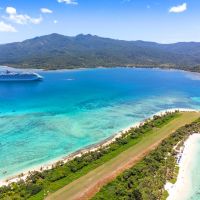

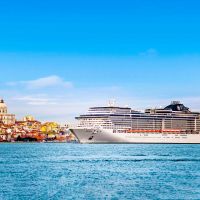
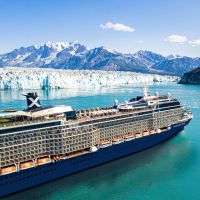
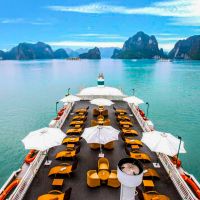

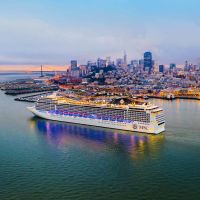

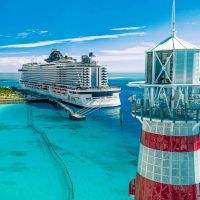
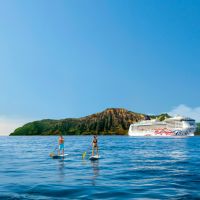

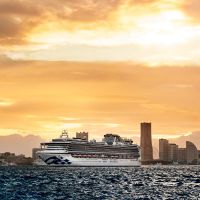
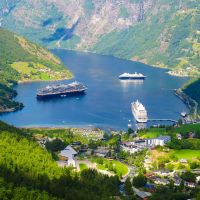
Set sail with the best of the best
There are so many ways to cruise! Discover the perfect cruise line for your next voyage.


Frequently asked questions
If it’s on the water, we can book it for you. Flight Centre offers you a huge range of cruises, from ocean and river cruises to adventurous expedition voyages and special themed voyages. Some of the most popular lines we offer are Royal Caribbean, Princess Cruises, Celebrity Cruises and Disney Cruise Line. Booking a cruise can be complicated, with a huge variety of cabin choices, itineraries and inclusions for you to consider, so it’s a good idea to work with experienced travel experts – like us! We’ll also save you money by finding you the best cruise deals.
Cruises are great value because almost everything is included in the one price. Your cruise fare will include accommodation, all meals, onboard facilities like swimming pools and fitness centres, plus entertainment. A few things can incur extra charges, like specialty restaurants, drinks, spa treatments and some activities. Specific inclusions may vary based on the cruise line, stateroom selection and the package you've booked.
Absolutely! A cruise is perfect for a group holiday or to celebrate that important milestone. Let your travel expert know if you're travelling as a group and they'll find you the best options to suit your group.
Absolutely! Look for adventure-themed cruises, comedy cruises food cruises, wedding & honeymoon cruises or music cruises – and that's really just the beginning of the different types of cruises we offer!
Once onboard, you'll receive a daily schedule of activities. Usually, the schedule for the following day will be left in your cabin by staff when they clean the room. Many modern cruise ships also have onboard digital screens that will display the day’s events or a mobile app you can download to keep track. Take a look on our website for information about your particular cruise ship or visit the cruise line’s site to see what you can expect.
From April 2024 you'll be able to book online through the Flight Centre website. Simply use the search function and filters on the page above and you’ll find what you're looking for from a whole range of cruises. You can book directly online, or enquire if you’d prefer to speak to a travel expert about your cruise holiday. If you’d prefer to talk to someone straight away, give us a call on 0800 250 172.
Yes, most cruise lines will be able to cater to your specific needs to ensure that you have a safe and enjoyable holiday. For dietary requirements, many ships have multiple restaurants with different menus that may meet your needs, or your travel expert can inform the cruise line of dietary requirements ahead of time. Accessible cabins are available on most ships and need to be booked in advance. We can also work with you to assess deck plans and accessibility options to find the right ship to suit you.
It depends on the destination. For Australia and many South Pacific islands, no visa is needed for short stays for New Zealand citizens. Be sure to check the official websites of each destination where your cruise will be docking.
New Zealanders often enjoy cruises to the South Pacific islands, Australia, and exploring their own beautiful coastline. Europe and Alaska are popular destinations further afield for Kiwis too.
Our Help Centre has a host of FAQs about travel requirements, booking your cruise and plenty more information you need before you set sail.
Mo' deals? No problem!
We've got cruise deals for everyone! Discover perfect cruise for you.

Help & support



© Flight Centre (NZ) Limited.
Lowest Airfare Guarantee is no longer valid at Flight Centre stores in New Zealand as of Thursday 14 July 2022. Click here for more information.
A Travel Expert Service Fee will be applied to bookings made in store, over the phone or via email, and is charged in addition to the advertised price. Click here for more information.
*Travel restrictions & conditions apply. Review any specific conditions stated and our general terms at Terms and Conditions. Prices & taxes are in NZD and are correct as at the date of publication & are subject to availability and change without notice. Prices quoted are on sale until the dates specified unless otherwise stated or sold out prior. Prices are per person.